If you’re searching for how to get rid of silverfish, you’re not alone. Reports of silverfish have been increasing in some areas (for example, Rentokil documented a 12% rise in silverfish reports in one market this year).
While silverfish don’t bite or transmit disease, they feed on starches and proteins found in books, wallpaper paste, clothing, and stored food. As a result, causing frustrating and sometimes costly damage. These nocturnal insects are also ancient survivors: fossils related to silverfish date back hundreds of millions of years.
Read on for a practical, step-by-step plan to identify, remove, and prevent silverfish in your home.
What Are Silverfish?
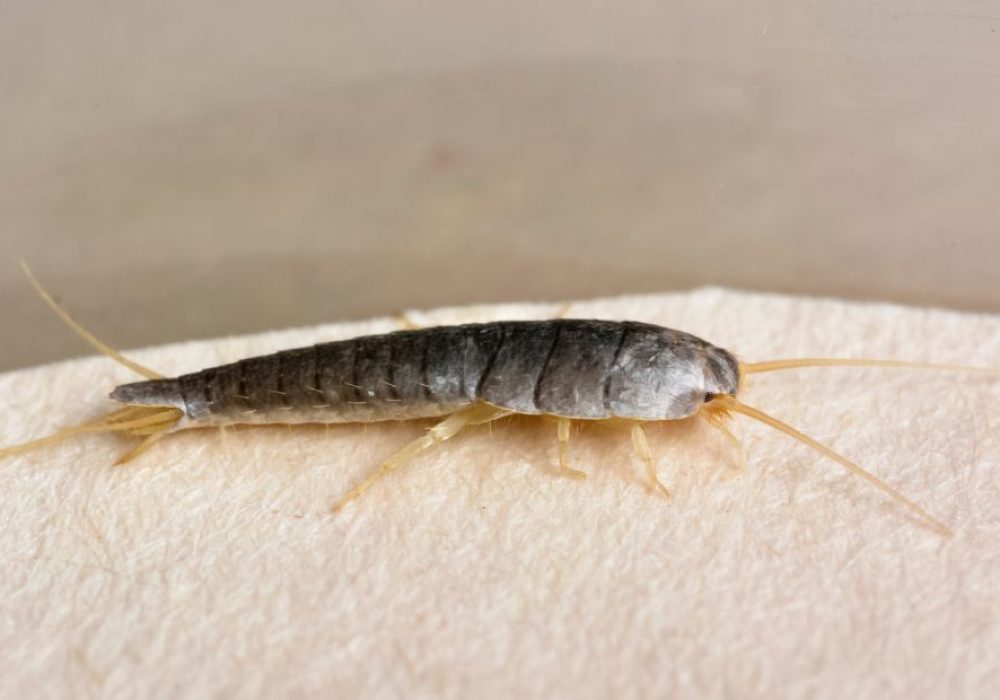
Silverfish (order Zygentoma; common species Lepisma saccharina) are small, wingless insects with silvery-grey scales and a tapered, carrot-shaped body. They’re typically ½ inch (about 1 cm) long, fast-moving, and prefer dark, humid places.
Silverfish are nocturnal and feed on materials rich in starch or cellulose like paper, book bindings, wallpaper paste, cotton and linen fibers, and even dried pantry goods.
They’re resilient: paleontological records and entomological sources note that bristletail-type insects (ancestors of modern silverfish) have existed for hundreds of millions of years.
Why Silverfish Invade Homes
Silverfish don’t randomly choose houses, they seek specific conditions:
- Moisture & humidity: Bathrooms, basements, laundry rooms, and poorly ventilated attics are common hotspots.
- Food sources: Paper, cardboard, wallpaper paste, natural fabrics, and starchy pantry items.
- Dark, undisturbed shelter: Behind baseboards, inside storage boxes, under sinks, and in closets.
- Easy entry points: Cracks, gaps around plumbing, or openings in roofs/attics.
Understanding these attractants helps you focus on the most effective control steps.
Signs of a Silverfish Infestation
You may not see silverfish until damage appears. Watch for:
- Irregular holes or notches in paper, cardboard, and fabric.
- Yellowish stains or fine scales on shelves or book bindings.
- Small pepper-like droppings near baseboards or storage containers.
- Sightings at night, especially when lights are turned on in humid rooms.
Because they are nocturnal and secretive, even a few sightings can mean a larger, hidden population.
READ: What Pest is Most Damaging to a House
How to Get Rid of Silverfish: Step-by-Step
Use an integrated approach: environmental fixes + sanitation + targeted treatments. Here’s a quick guide on how you can get rid of pests in your home like a silverfish:
1) Reduce Humidity (the foundation of control)
Silverfish need moisture. Lower indoor humidity to below 50% where possible:
- Use dehumidifiers in basements, attics, and crawlspaces.
- Install or run exhaust fans in bathrooms and laundry rooms.
- Repair leaks and improve drainage around foundations.
- Increase airflow: open windows occasionally or add vents where practical.
Drying out the environment makes it much harder for silverfish to survive or reproduce.
2) Clean, Declutter, and Secure Storage
Sanitation removes both food and hiding spots:
- Vacuum along baseboards, under furniture, and inside closets.
- Remove stacks of newspapers, magazines, and cardboard that provide food and shelter.
- Store books, documents, and textiles in plastic or sealed containers, not cardboard.
- Inspect and rotate stored items periodically.
A clean, well-organized space denies silverfish the resources they need.
3) Eliminate Food Sources
Be proactive:
- Seal pantry items (flour, cereal, oats) in airtight containers.
- Repair or replace peeling wallpaper and patch exposed glue.
- Keep laundry and natural-fiber clothing stored off the floor in sealed bins.
Removing available food reduces the incentive for silverfish to remain.
4) Use Safe, Natural Remedies
These can be effective when combined with the above:
- Diatomaceous Earth (food-grade): Lightly dust along baseboards, cracks, and under appliances. It abrades insect exoskeletons and causes dehydration. Avoid heavy dusting and keep away from children/pets.
- Cedar & essential oils: Cedar blocks, cedar oil, or certain essential oils (e.g., cedar or citrus) can help deter silverfish from closets and drawers.
- Glue traps: Place in dark corners and along baseboards to monitor activity and catch survivors.
Natural options work best as part of an overall moisture-control and cleaning plan.
5) Targeted Chemical Options (when necessary)
If DIY measures fail:
- Boric acid or labeled residual insecticide dusts/sprays applied to cracks and voids can reduce populations.
- Always follow the product label for safe usage and keep treatments away from food prep areas, children, and pets.
- For wall voids or widespread infestations, professional treatments may be necessary.
Preventing Future Infestations
Long-term prevention requires consistent habits:
- Maintain low humidity and fix leaks quickly.
- Seal gaps and cracks around pipes, windows, and foundations.
- Keep attics and crawlspaces ventilated.
- Inspect secondhand books or stored fabrics before bringing them indoors.
- Schedule periodic checks in storage spaces and basements.
These actions protect not only against silverfish but against other moisture-loving pests as well.
When to Call a Pest Control in Manchester
You should call a pest exterminator in Manchester if:
- You see silverfish regularly despite DIY efforts.
- Damage to books, clothing, or valuable items continues.
- The infestation is widespread (multiple rooms, wall voids, attic).
- You prefer a guaranteed, long-term solution using integrated pest management (IPM).
A licensed pest control company like MVM Pest Control can locate moisture sources, apply targeted treatments safely, and set up a monitoring and prevention plan.
READ: How Much is a Pest Control Visit
Conclusion
Silverfish can be stubborn, but you don’t have to live with them. The most effective approach combines moisture control, sanitation, and targeted trapping or treatments.
Start by reducing humidity, decluttering and securing storage, and using traps or natural deterrents; bring in a pro for persistent or severe problems.
Need help? If you’d like, MVM Pest Control can provide a targeted inspection and a custom treatment plan to remove silverfish and protect your belongings.