
As a homeowner, spotting an unfamiliar bug indoors can spark immediate concern, especially if it looks like one of those “dangerous” ones you’ve seen in online photos. Two insects that often cause confusion are stink bugs vs kissing bugs.
While both may seem similar at first glance, they’re very different in behavior, risk level, and control methods. One is mostly a harmless nuisance, while the other has the potential to transmit disease. Understanding these differences can help you take the right action before a small problem becomes a larger infestation.
In this guide, we’ll break down how to identify each, what risks they pose, and the steps you can take to keep them out of your home.
Meet the Bugs: Quick Overview
Stink Bug
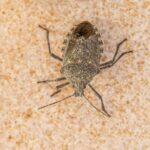
The brown marmorated stink bug (Halyomorpha halys) is an invasive species originally from Asia, now common across the U.S., including New Hampshire and greater New England. These insects are most active in late summer and early fall, when they begin seeking warmth indoors.
Their name comes from the foul odor they release when crushed or threatened. This is a chemical defense that deters predators (and homeowners alike).
Though unpleasant, stink bugs don’t bite, sting, or transmit disease. The real issue comes when dozens find their way inside at once, clustering on windows, walls, or curtains.
Kissing Bug
The kissing bug (Triatomine bug) is a blood-feeding insect native to the southern and southwestern United States. Unlike stink bugs, kissing bugs feed on the blood of mammals, often biting humans near the mouth while they sleep.
These insects are most active during warm months and are drawn to light and the scent of carbon dioxide. While still relatively uncommon in the Northeast, kissing bugs have slowly expanded their range northward due to climate change and increased mobility of both people and pests.
Identification Guide: How to Tell Them Apart
Because both insects are similar in size and brownish color, confusion is common. Here’s how to distinguish them quickly:
| Feature | Stink Bug | Kissing Bug |
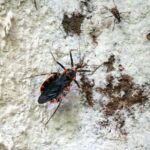
| Body Shape | Broad, shield-shaped | Narrow, elongated with a pointed (cone-shaped) head |
| Color | Mottled brown or gray with light edges | Dark brown/black with orange or red stripes along the sides |
| Antennae | Straight, with light-colored bands | Thin, dark, and uniform in color |
| Behavior | Flies clumsily; releases odor when disturbed | Flies silently; seeks hosts at night to feed |
| Habitat | Indoors during cooler months (walls, windows, attics) | Outdoors near animal nests, pet areas, and under porches |
A simple way to remember: shield shape = stink bug; cone head = kissing bug.
If you’re ever unsure, avoid handling the insect directly. Use a clear container to capture it and contact a pest control professional for identification, especially if you suspect it may be a kissing bug.
Risks and Concerns for Homeowners
Stink Bugs – Annoying but Harmless
Stink bugs don’t pose health risks to humans or pets. However, they can be a real nuisance indoors and a threat to gardens and crops. They feed on fruits, vegetables, and ornamental plants, leaving behind pitted or discolored areas.
Indoors, they don’t reproduce but often gather in large numbers, seeking warmth behind walls or in attics. When disturbed, they emit a musty, cilantro-like smell that can linger on surfaces or fabrics. Crushing them can stain walls, so vacuuming or gentle removal is preferred.
For allergy-sensitive individuals, large infestations may cause mild irritation due to airborne particles from crushed insects.
Kissing Bugs – A Genuine Health Concern
Unlike stink bugs, kissing bugs are medically significant. They can transmit Trypanosoma cruzi, the parasite that causes Chagas disease, a potentially serious illness that can lead to heart and digestive complications if untreated.
The CDC estimates 300,000 or more people in the United States are living with T. cruzi infection (Chagas disease). This is largely related to exposure in endemic Latin American regions which is why awareness and proper identification matter.
While the likelihood of contracting Chagas disease in New England remains extremely low, awareness is important, especially as temperatures rise and insects expand their habitat range.
If you suspect kissing bugs near your home, don’t attempt DIY treatments or crush them. Collect the specimen carefully in a sealed bag and contact your local health department or a pest management professional for proper identification and guidance.
How to Prevent and Control Infestations
Even though stink bugs and kissing bugs differ in risk level, their prevention steps are quite similar. A proactive approach can save you time, stress, and future pest control costs.
A. Prevention Steps for Both Bugs
- Seal entry points: Caulk cracks around windows, siding, and vents. Pay special attention to attic access points and dryer vents.
- Install or repair screens: Ensure windows, doors, and attic vents are properly screened.
- Reduce outdoor lighting: Bugs are drawn to light. Use yellow “bug bulbs” or motion-activated fixtures.
- Trim vegetation and remove debris: Keep grass, shrubs, and firewood away from the foundation. Leaf piles and wood stacks are common hiding spots.
- Maintain cleanliness: Regularly vacuum and dust window sills, corners, and baseboards to remove insect scent trails that attract others.
B. Stink Bug Control Tips
- Don’t crush them: Instead, use a vacuum with a disposable bag or gently trap them in soapy water.
- Use sticky traps: Place near sunny windows or door frames where they congregate.
- Seasonal barrier treatments: Before fall, consider a professional perimeter application to prevent overwintering infestations.
C. Kissing Bug Control Tips
- Inspect pet areas: Check kennels, bedding, and outdoor shelters where bugs may feed.
- Avoid leaving lights on overnight: Especially near entry doors and windows.
- Call a professional: Because kissing bugs resemble harmless look-alikes, only a licensed pest expert can confirm identification and apply safe, targeted treatments.
MVM Pest Control Manchester pest exterminators are trained to handle both nuisance pests and health-risk insects using methods that are eco-friendly, family-safe, and effective. Our approach focuses on sealing entry points, applying safe treatments, and educating homeowners on prevention.
When to Call the Pest Control in Manchester
If you’re seeing frequent bugs indoors or are uncertain which species you’re dealing with, it’s best to call in a professional inspection. Bugs can hide behind baseboards, inside attics, or under siding, places difficult to treat with DIY methods.
Professional pest control specialists can:
- Accurately identify the insect species.
- Apply safe, EPA-approved treatments that target the source.
- Provide preventive sealing and exclusion work to stop future invasions.
If you’re unsure whether the insect in your home is a stink bug or a kissing bug, MVM Pest Control can help you identify it safely and design a treatment plan tailored to your home.
READ: Are Exterminators Worth the Money
Conclusion
At first glance, stink bugs and kissing bugs may look similar — brown, shield-shaped insects that show up near windows or lights. But their impact couldn’t be more different.
- Stink bugs are mainly a seasonal nuisance, more of an annoyance than a threat.
- Kissing bugs, on the other hand, can pose legitimate health concerns, particularly in warmer climates.
By learning how to tell them apart and taking proactive prevention steps, you can protect your home and family from both types of unwanted visitors. And if you ever find yourself unsure, MVM Pest Control is just a call away to provide fast, reliable, and expert help.