If you’ve been wondering how to get rid of fruit flies, you’re not alone. These tiny pests seem to appear out of nowhere — one moment your kitchen is spotless, the next it’s full of buzzing specks circling your fruit bowl. It’s a common problem that can escalate fast.
According to the University of Kentucky Entomology Department, a single female fruit fly can lay up to 500 eggs in her lifetime. And those eggs can hatch in less than 24 hours under the right conditions. That’s why what starts as one or two flies can quickly turn into an infestation.
In this guide, we’ll walk you through how to get rid of fruit flies quickly and effectively and when to call the Manchester pest exterminators for help.
Are They Really Fruit Flies?
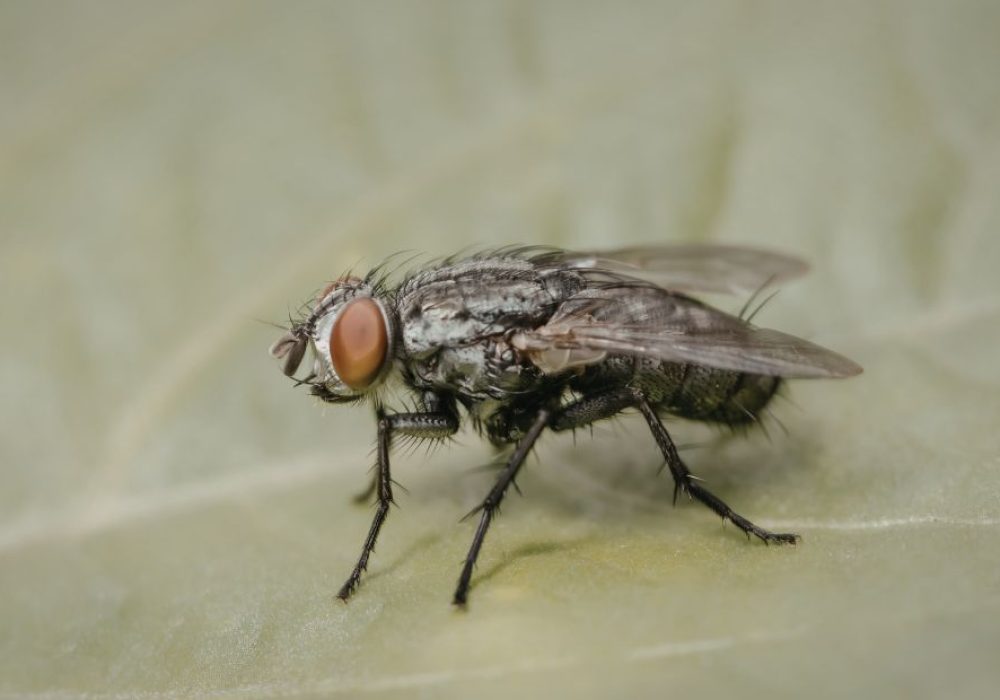
Before you grab the vinegar, make sure you’re dealing with fruit flies and not their look-alikes. Fruit flies are small (about 1/8 inch long), tan or brown in color, and often hover near fruit bowls, garbage bins, or drains.
They’re often confused with gnats or drain flies. Gnats tend to stay near plants and soil, while drain flies have fuzzy wings and cluster near bathroom drains. Fruit flies, on the other hand, are drawn to ripened produce and fermenting liquids like wine, vinegar, and juice.
Proper identification matters. Using the wrong treatment can waste time and let the real problem continue unchecked.
Where Fruit Flies Come From
Fruit flies don’t appear out of thin air. Though it can certainly feel that way. These pests are masters at finding tiny openings. They often hitch a ride into your home on produce, bottles, or even damp sponges.
Once inside, they’re drawn to warm, moist, and sugary environments. Ripe or decaying fruits, food residue in trash cans, or sticky spills on countertops are prime breeding grounds. A single piece of overripe fruit can host dozens of larvae.
Their life cycle is fast. Eggs hatch within about a day in warm conditions, and larvae can become adults within a week. That’s why ignoring a few fruit flies can lead to a full-blown infestation before you know it.
READ: What is the Most Difficult Bug to Get Rid Off
Step-by-Step: How to Get Rid of Fruit Flies
1. Eliminate the Source
The first step in any pest problem is removing what attracts them.
- Throw out all overripe or rotting fruits and vegetables.
- Empty and clean trash bins, compost containers, and recycling bins.
- Check forgotten juice bottles or wine glasses left out overnight.
If you remove their food source, the population can drop dramatically within days.
2. Clean and Sanitize
Even after removing visible food sources, residue and moisture can continue attracting flies.
- Wipe down countertops, cabinet surfaces, and appliances with a mild cleaning solution or a vinegar spray.
- Rinse out drains with boiling water, followed by a mix of baking soda and vinegar.
- Wash mops, dish rags, and sponges regularly — these can harbor eggs too.
A clean kitchen isn’t just aesthetically pleasing; it’s your best defense against pests that thrive on neglect.
3. Make DIY Fruit Fly Traps
Homemade traps are highly effective and inexpensive. Here are two simple methods that work well:
Vinegar + Dish Soap Trap
- Pour apple cider vinegar into a small bowl.
- Add a few drops of dish soap (it breaks the surface tension so flies sink).
- Leave it uncovered near infested areas overnight.
Jar and Plastic Wrap Trap
- Place a bit of ripe fruit inside a small jar.
- Cover the top with plastic wrap and poke tiny holes using a toothpick.
- The flies enter but can’t find their way out.
Replace traps daily until you stop seeing activity.
4. Treat Hidden Breeding Sites
Even if you don’t see them, fruit flies may be breeding in less obvious places:
- Sink drains: Pour a mix of hot water, vinegar, and baking soda down the drain.
- Compost bins: Clean them frequently and use tight-fitting lids.
- Empty bottles or cans: Rinse them before tossing them into recycling.
If the infestation returns after these steps, you might be dealing with drain flies or phorid flies, which require slightly different treatment.
5. When to Call Pest Control
If you’ve tried everything and fruit flies still keep appearing, it’s time to call in a pest exterminator in Manchester. A pest control technician can inspect for hidden sources (like floor drains or wall voids) and apply targeted treatments that break the breeding cycle.
For severe or recurring infestations, professional pest control in Manchester ensures long-term control and peace of mind.
Prevention: Keeping Fruit Flies Away for Good
Getting rid of fruit flies is one thing; keeping them away is another. Here’s how to prevent future invasions:
- Store fruit properly. Keep ripe produce in the refrigerator instead of on countertops.
- Take out the trash regularly. Fruit flies can breed in just a bit of organic waste at the bottom of a bin.
- Clean drains weekly. Pour hot water followed by baking soda and vinegar to remove organic buildup.
- Use fly screens. Keep windows and doors protected, especially during summer.
- Wipe up spills immediately. Especially sugary drinks, sauces, or juices.
Consistent cleanliness and proper food storage habits are the best deterrents against reinfestation.
Why Fruit Flies Matter: More Than Just Annoying
Fruit flies may be small, but their impact isn’t. They can contaminate food and surfaces, posing hygiene and health risks, particularly in restaurants, bars, and kitchens.
Multiple controlled studies have shown fruit flies can carry and transfer foodborne bacteria to surfaces and foods.
A study demonstrated that fruit flies can move E. coli from contaminated sources to fresh, ready-to-eat foods in short exposures. Other research also claims fruit flies may carry pathogens like Salmonella and Listeria on their bodies and tarsi.
So while fruit flies don’t bite, their presence can indirectly affect your family’s or customers’ health. Maintaining a fruit fly-free environment is not just about comfort — it’s about safety.
Conclusion
Fruit flies may be tiny, but their ability to multiply and contaminate makes them a serious nuisance. Luckily, with a little vigilance, you can break the cycle:
- Identify and remove the source.
- Clean thoroughly and use traps.
- Maintain prevention habits consistently.
If you’ve done all that and the problem keeps coming back, don’t let frustration take over. MVM Pest Control specializes in commercial and residential pest removal. We can identify and eliminate even the most persistent infestations using safe, eco-friendly methods.
Stop the swarm before it starts. Contact MVM Pest Control today for expert pest management that keeps your home fresh, clean, and fruit fly-free.