If you’re searching for how to get rid of gnats, you’re likely battling tiny fliers in the kitchen, bathroom, or around houseplants. These pests multiply fast. Some fruit flies can complete a life cycle in just 7–8 days in summer, which is why a few gnats can balloon into a swarm seemingly overnight.
In this guide, MVM Pest Control explains how to identify which “gnat” you have, eliminate breeding sources, use smart DIY traps, and prevent future infestations.
1. Identify the Type of Gnat
Before you can successfully get rid of gnats, you need to know what kind you’re dealing with. “Gnat” is actually a general term for several small flying insects that thrive in moist, organic environments. The most common types you’ll find in New Hampshire homes include:
- Fruit flies – These tiny brown flies are drawn to ripe or decaying fruits, vegetables, and sugary residues. You’ll often find them hovering near fruit bowls, trash cans, or recycling bins.
- Fungus gnats – Usually seen near potted plants, fungus gnats breed in damp soil and feed on decaying plant matter and roots.
- Drain flies – Also called moth flies, these gnats breed in the organic sludge that builds up inside sink and shower drains. They have fuzzy bodies and are often spotted in bathrooms or kitchens.
Correct identification matters because each type requires slightly different control methods. Fruit flies and drain flies need sanitation and trap control, while fungus gnats are managed by addressing plant soil and moisture levels.
2. Eliminate the Source
The most important step in any pest problem is removing what attracts them. Gnats don’t just show up randomly. They’re drawn to a food source or breeding site nearby.
Start with a deep clean of your kitchen and bathroom. Here’s where to focus:
- Remove organic waste: Take out the trash daily and clean garbage cans with warm, soapy water. Don’t leave ripe fruit or open juice containers sitting out.
- Clean drains and garbage disposals: Pour a mixture of baking soda and vinegar followed by hot water, or use an enzyme-based drain cleaner to remove the organic film gnats love.
- Check houseplants: Overwatered plants are one of the biggest gnat breeding grounds indoors. Allow the top inch of soil to dry between waterings and remove any decaying leaves.
- Wipe down surfaces: Food residue and sticky spills, even small ones, can attract fruit flies in a matter of hours.
If you’ve cleaned thoroughly and the gnats persist, there may be a hidden breeding site inside drains, walls, or crawl spaces. MVM Pest Control technicians are trained to locate and eliminate these sources.
READ: Is Pest Control Worth Doing?
3. Use Effective DIY Gnat Traps
Traps help knock down adult populations while your sanitation changes interrupt the life cycle.
Apple Cider Vinegar + Dish Soap Trap (Fruit Flies)
- Fill a shallow dish with apple cider vinegar, add a few drops of dish soap, and leave it uncovered near activity zones. The vinegar lures; soap breaks surface tension so flies sink.
- Refresh every 24–48 hours.
RELATED: Apple Cider Vinegar For Gnats: Do They Work
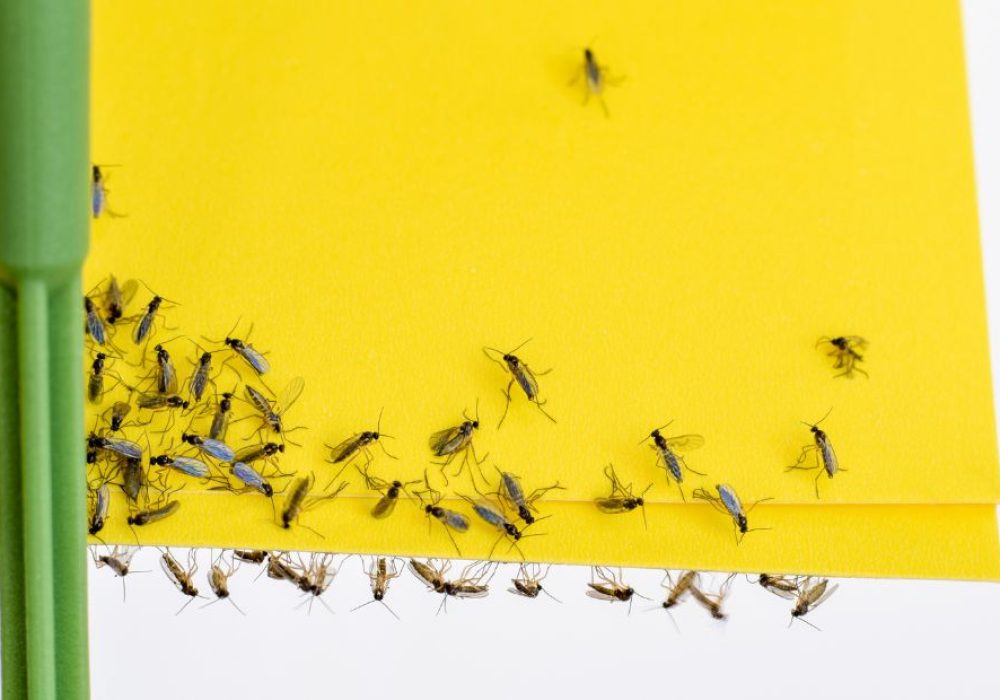
Sticky Cards (Fungus Gnats)
- Place yellow sticky traps just above plant soil. They’re excellent monitors and reduce adults before they lay eggs. If cards fill quickly, your soil is likely staying too wet.
Jar Funnel Trap
- For fruit flies, pour a little wine, beer, or vinegar into a jar and make a paper funnel with a pencil-sized opening. Flies enter easily and struggle to exit.
Drain Tenting Test (Drain Flies)
- At night, tape a clear cup or plastic wrap over a dry drain (don’t use the fixture). If you see flies inside in the morning, you’ve confirmed that drain as a breeding site. Focus cleaning there.
Reminder: Traps remove adults; sanitation removes larvae and eggs. Keep doing both for at least two weeks to outlast the breeding cycle.
4. Prevent Future Infestations
Once your home is gnat-free, the next step is prevention. Maintaining a clean, dry environment is key to keeping gnats away for good.
Here are simple prevention tips:
- Keep fruit and vegetables refrigerated. Store ripe produce in the fridge or sealed containers.
- Empty and clean trash bins regularly. Rinse recyclables and wipe lids to remove residue.
- Dry out damp areas. Repair leaky faucets, improve ventilation, and use dehumidifiers in humid spaces like basements or bathrooms.
- Maintain plants properly. Avoid overwatering and use fresh, sterile soil when repotting.
- Flush drains weekly. Run boiling water or an enzyme cleaner to prevent organic buildup.
Gnats tend to surge in late spring through early fall, especially when humidity rises. Taking preventive action during these months can save you a lot of frustration later on.
When to Call a Professional Pest Control in Manchester
If you’ve tried cleaning, trapping, and preventing, but gnats still return, it’s time to call in a professional pest control team. Persistent infestations often indicate a deeper issue, such as:
- Hidden breeding sites inside drains or walls.
- Moisture damage or plumbing leaks attracting gnats.
- Infestation spreading from nearby commercial or multi-unit buildings.
At MVM Pest Control, our licensed pest exterminators in Manchester use advanced detection methods and targeted treatments that are safe for your family, pets, and environment. We don’t just remove gnats; we identify the underlying cause and ensure they don’t come back.
We also offer:
- Residential pest control
- Commercial pest control
- Cockroach extermination
- Bed bug extermination
- Rodent extermination
- Termite control
Whether it’s a residential kitchen, restaurant, or apartment complex, we tailor every solution to your specific environment.
Call MVM Pest Control today for a free inspection and let our experts restore your comfort and peace of mind.
READ: Is It Cheaper to Do Your Own Pest Control
Conclusion
Gnats may be small, but they can quickly become a big nuisance if ignored. The key to eliminating them is understanding their habits. Moisture, food, and organic buildup are their favorite hangouts.
By identifying the type of gnat, removing sources, using effective traps, and maintaining preventive habits, you can take control of your home again. And when DIY methods fall short, the professionals at MVM Pest Control are ready to step in with proven, eco-friendly treatments.
Don’t let gnats take over your home. Schedule your free inspection today and keep your space pest-free all year long.