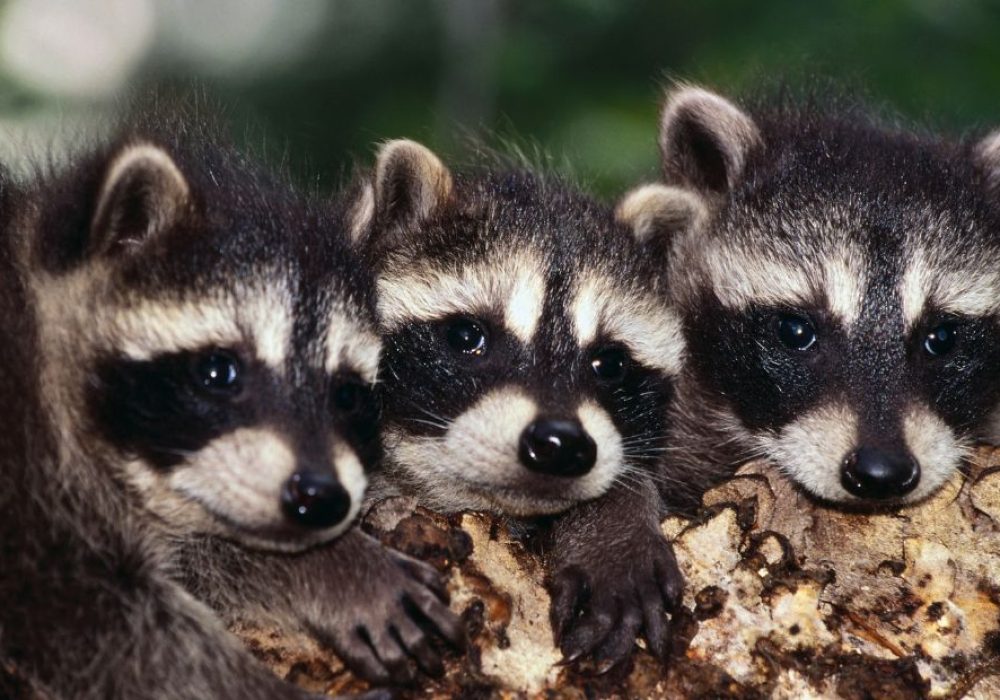
If you’ve been hearing scratching sounds in your attic or waking up to overturned trash cans, you’re probably wondering how to get rid of raccoons quickly and safely. Raccoons may look cute, but they can cause serious damage and spread disease.
Beyond the mess, raccoons can spread parasites: eggs from raccoon roundworm become infective after 2–4 weeks and can survive in the environment for years, and infection rates in raccoons can reach up to 80% in some U.S. regions.
Fortunately, there are humane and effective ways to handle raccoon problems before they get out of control.
Why Raccoons Invade Homes
Raccoons are opportunistic animals with one goal in mind: easy access to food, water, and shelter.
When natural food sources like berries or insects are scarce, they’ll happily raid garbage bins, pet food bowls, or compost piles. During colder months in New Hampshire, they also seek warmth by nesting inside attics, chimneys, and crawl spaces.
Common entry points include:
- Loose shingles or roof vents
- Open chimneys
- Gaps in soffits or siding
- Pet doors or unsealed crawl spaces
Raccoons are nocturnal, meaning most of their activity happens at night. They’re also highly intelligent; studies show they can remember solutions to complex tasks for up to three years which explains why deterrents alone often don’t keep them away for long.
Signs You Have a Raccoon Problem
Before jumping into removal, it helps to confirm you’re dealing with raccoons. Look for:
- Noises at night: scratching, thumping, or chirping sounds from the attic or walls.
- Trash disturbances: torn garbage bags or tipped-over bins.
- Footprints: five-fingered, hand-like tracks near entry points.
- Droppings and odor: raccoon feces have a strong, musky smell.
- Insulation damage: shredded material in attics or crawl spaces.
If you suspect raccoons but aren’t certain, a professional wildlife inspection from MVM Pest Control can confirm the problem safely, especially if babies (kits) are involved.
Why DIY Removal Can Be Risky
Trying to remove raccoons yourself may seem simple—set a trap, release the animal, done. But the reality is more complicated and potentially dangerous.
- Health risks: Raccoon feces can contain Baylisascaris procyonis (raccoon roundworm). Eggs become infective after a few weeks and can persist, so improper cleanup increases exposure risk.
- Legal restrictions: Wildlife handling and relocation are regulated in New Hampshire; improper trapping/relocation can violate state rules and create safety issues.
- Aggression: A cornered raccoon, especially a mother protecting young, can become defensive and injure people or pets.
- Re-infestation: Without sealing entry points, new raccoons often move right back in.
Because of these risks, it’s best to let licensed pest control and wildlife professionals handle the removal process humanely and safely.
Humane and Effective Ways to Get Rid of Raccoons
When it comes to wildlife control, the goal isn’t to harm animals. It’s to remove them humanely and prevent them from returning. Here are proven methods:
1. Eliminate Attractants
- Secure your trash: Use animal-proof lids or metal garbage bins.
- Feed pets indoors: Outdoor bowls are an open invitation.
- Clean up your yard: Remove fallen fruit, bird seed, and open compost.
- Avoid leaving pet doors open overnight.
2. Exclusion Techniques
Once raccoons are gone, seal up every potential entry point.
- Install chimney caps and vent covers.
- Patch holes in soffits, siding, and eaves with heavy-gauge wire mesh or metal flashing.
- Close gaps under decks or porches with buried fencing.
- Trim overhanging tree branches that provide roof access.
3. Use Humane Deterrents
Some homeowners find temporary relief with natural or electronic repellents:
- Ammonia-soaked rags or predator urine granules (coyote or fox) placed near entry points can deter nesting.
- Motion-activated lights or sprinklers startle nocturnal animals.
- Ultrasonic repellents can help, though results vary.
4. Professional Wildlife Control
The safest, most reliable option is to hire pest and wildlife removal experts like MVM Pest Control. Our technicians:
- Conduct a comprehensive inspection to identify entry points.
- Use humane trapping and removal techniques approved by New Hampshire Fish and Game.
- Handle damage repair, cleaning, and sanitation (including latrine cleanup guidance based on public-health best practices)
- Provide exclusion and prevention services to keep raccoons from coming back.
This approach not only resolves the immediate problem but also protects your property long-term.
Cleaning and Sanitizing After Raccoon Removal
After raccoons are removed, don’t skip cleanup—droppings and nesting materials can harbor parasites and pathogens.
- Wear protective gloves and a respirator.
- Remove and dispose of contaminated insulation.
- Disinfect affected areas with an enzyme-based cleaner.
- Consider professional attic restoration and deodorization services to fully eliminate odor and bacteria.
At MVM Pest Control, we provide safe cleanup and sanitation so your attic or crawl space is as good as new.
READ: How Toxic is Pest Control
Long-Term Prevention Tips
Keeping raccoons out permanently takes ongoing maintenance. Here are proactive steps to protect your home year-round:
- Trim trees at least 6 to 8 feet away from the roofline.
- Inspect soffits, vents, and roof flashing seasonally for new gaps.
- Store pet food and bird seed in sealed containers.
- Clean gutters and eliminate standing water.
- Schedule routine inspections with pest-control professionals, especially before winter.
Preventive attention now saves you costly repairs later.
When to Call a Manchester Pest Control & Wildlife Removal
If raccoons have nested in your attic, keep returning despite deterrents, or are causing visible damage, it’s time to call a licensed expert.
MVM Pest Control has over 80 years of combined experience in humane wildlife removal across Manchester, Concord, and Portsmouth, NH. We provide free inspections, custom exclusion plans, and long-term solutions tailored to your property.
Don’t wait until the problem escalates. Raccoons can cause significant structural damage in just a few weeks.
Conclusion
Raccoons are clever, adaptable creatures, but that doesn’t mean you have to share your home with them. By identifying attractants, securing entry points, and working with humane pest-control professionals, you can keep your property safe and raccoon-free for good.
If you’re dealing with unwanted raccoon visitors, contact MVM Pest Control today to schedule your free inspection and restore peace of mind without harm to wildlife.