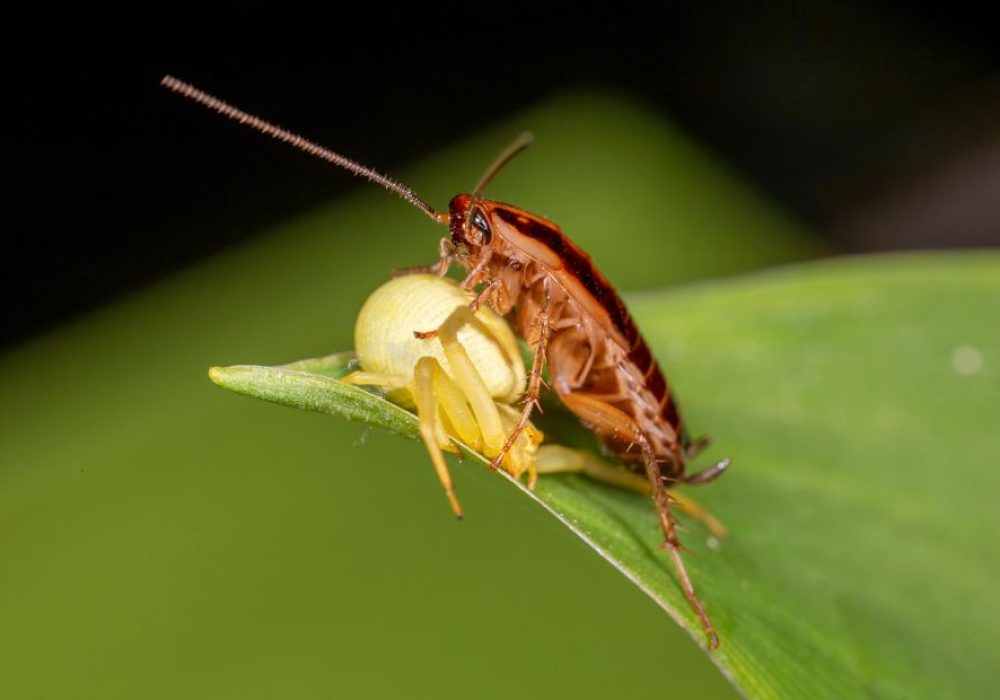
If you’ve ever flipped on the kitchen light and spotted a large, brown insect darting for cover, you might wonder if there’s a water bug that looks like a cockroach. The short answer: yes, some insects commonly called “water bugs” resemble cockroaches at a glance. But they’re not the same, and knowing the difference matters for your home, health, and the best way to get rid of them.
Here’s how to tell them apart, what risks each one poses, and what to do if you see them around your property.
What Is a Water Bug?
The term “water bug” gets used loosely, but in entomology it typically refers to insects in the family Belostomatidae (often called giant water bugs). These are aquatic true bugs, not roaches. They live outdoors like ponds, lakes, and wetlands and are built for the water.
How they look and behave:
- Size & shape: Flat, oval bodies; often up to 2 inches long.
- Color: Dark brown to nearly black.
- Front legs: Pincer-like limbs used to grasp prey (tadpoles, small fish, other insects).
- Lifestyle: Solitary predators, not scavengers.
- Bite: They can bite if handled. Painful, but not considered medically significant.
Finding a true water bug inside is usually accidental. If you’re seeing multiple look-alike insects indoors over time, you’re likely dealing with cockroaches, not aquatic bugs.
READ: How to Get Rid of Water Bugs
What Is a Cockroach?
Cockroaches belong to the order Blattodea and are among the most common household pests worldwide. They thrive in warm, moist environments, which is why you often find them in kitchens, bathrooms, basements, or drains.
Common household species include:
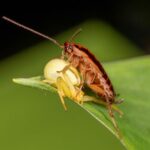
- American cockroach (Periplaneta americana) – large, reddish-brown, and often mistaken for water bugs.
- German cockroach (Blattella germanica) – smaller and the most common indoor species.
- Oriental cockroach (Blatta orientalis) – dark, glossy brown or black, prefers damp spaces.
Cockroaches have long antennae, flat oval bodies, and some species have wings that allow for limited gliding.
Unlike water bugs, cockroaches don’t bite humans (at least not commonly), but they’re known carriers of bacteria and allergens. They can reproduce rapidly and infest food storage areas, making professional pest control essential once an infestation begins.
READ: Is Boric Acid Effective for Roaches
Water Bug vs. Cockroach: Key Differences
Despite their similar coloring and body shape, water bugs and cockroaches differ in several important ways. Here’s a quick comparison:
| Feature | Water Bug | Cockroach |
| Size | Up to 2 inches | 1–1.5 inches |
| Color | Dark brown to black | Reddish-brown |
| Habitat | Outdoors, near water | Indoors, near food and moisture |
| Behavior | Solitary hunter | Colony dweller, scavenger |
| Wings | Fully developed, used for flight | Some species glide, some don’t fly |
| Bite | Can bite humans (painful) | Rarely bites |
| Health Risk | Minimal, not disease carriers | Known disease vectors and allergen sources |
In short: water bugs are aquatic predators that might wander inside, while cockroaches are resilient scavengers that thrive indoors.
If you see one in your bathroom or kitchen, it’s most likely a cockroach, not a true water bug, especially if you notice multiple sightings over time.
READ: 8 Signs of Cockroach Infestation in Your Manchester Home
Why People Confuse Them
The confusion comes from more than just looks.
- Looks & speed: Both are flat-bodied, brown, and fast.
- Moisture overlap: You’ll often spot both near sinks, drains, and basements.
- Nicknames: The American cockroach is frequently called a “water bug,” especially when seen near pipes or sewers, which amplifies the confusion.
A quick field tip: a true water bug is bulkier, with grasping front legs and a more aquatic build; roaches tend to be slimmer with extremely long antennae and are more likely to scatter quickly when lights switch on.
Health Risks and Concerns
Here’s where the difference truly matters. Cockroaches pose significant health risks, while water bugs generally do not.
Cockroaches are known to carry pathogens such as Salmonella, E. coli, and parasitic worms. They contaminate food and surfaces as they move between garbage, drains, and kitchens. Their shed skin and droppings can also trigger allergies and asthma, especially in children and sensitive individuals.
In fact, the Asthma and Allergy Foundation of America (AAFA) reports that cockroach allergens are present in 63% of U.S. homes and up to 78% of urban residences.
Water bugs, on the other hand, do not carry diseases. However, their bite can cause pain and swelling, so it’s best to avoid handling them.
What to Do If You See One
Spotting a large brown bug in your home doesn’t automatically mean you’re infested—but it should prompt quick action. Here’s what to do:
- Identify it correctly. Look closely at its size, color, and behavior. If it’s smaller and seen near drains or pantries, it’s likely a cockroach.
- Check for signs of infestation. Cockroaches leave droppings, shed skins, and egg cases behind. You might also notice a musty odor if there are many.
- Clean and dry your environment. Both pests thrive on moisture. Fix leaks, dry wet areas, and clean drains regularly.
- Avoid DIY pesticide misuse. Over-the-counter sprays can scatter cockroaches deeper into walls or create resistance.
- Call a Cockroach Exterminator. If you’re not sure which pest you’re dealing with or if you’ve seen more than one, it’s time to schedule a professional inspection.
At MVM Pest Control, our licensed technicians specialize in identifying and eliminating both cockroach infestations and occasional invaders like water bugs. We use advanced, eco-friendly treatments designed to protect your family, pets, and property.
How to Prevent Future Problems
Whether it’s cockroaches or water bugs, prevention is key. Follow these simple habits to keep your home pest-free year-round:
- Keep drains clean and free of buildup.
- Fix plumbing leaks promptly.
- Eliminate standing water indoors and outdoors.
- Store food in sealed containers.
- Take out trash daily and clean bins regularly.
- Seal cracks, gaps, and entry points around doors and windows.
- Schedule routine pest control maintenance to stay ahead of seasonal activity.
Even small moisture issues or food crumbs can attract pests, so consistent sanitation is one of your strongest defenses.
Conclusion
Water bugs and cockroaches may look alike, but they’re two very different insects. One is a harmless outdoor predator, while the other is a persistent indoor pest that can threaten your health and comfort. Correctly identifying which one you’ve seen is the first step toward effective control.
If you’re unsure or simply want peace of mind, MVM Pest Control offers free inspections throughout New Hampshire. Our team will identify the pest, assess your home for entry points, and recommend safe, effective solutions, so you can enjoy a clean, pest-free home again.
Need Help Now? Contact MVM Pest Control today for same-day service or to schedule your free pest inspection.