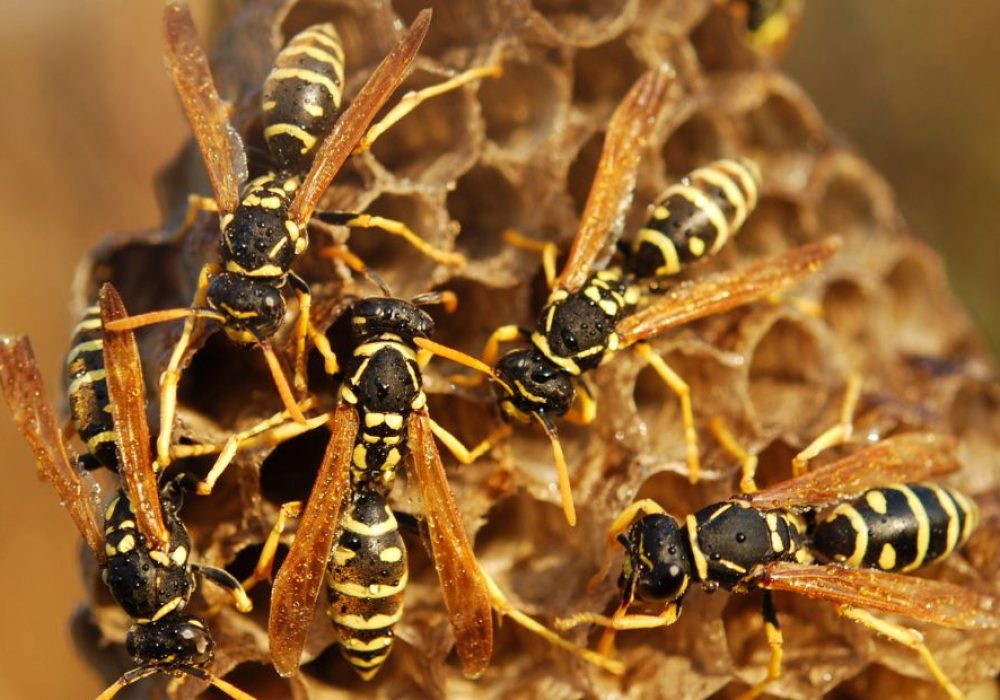
When the cold sets in and outdoor activity slows, homeowners often breathe a sigh of relief: no more buzzing, stinging wasps invading backyard gatherings. But do wasps die in winter for good once temperatures drop or are they just hiding, waiting to return in spring?
It’s a common question for New Hampshire residents who notice that wasp activity fades in late fall. While most wasps do die off in winter, not all of them vanish. In fact, a small but significant number survive the cold months. And those few are responsible for the next year’s infestations.
Here’s what really happens to wasps in winter, how their life cycle adapts to the cold, and what you can do now to prevent them from returning stronger next spring.
Understanding the Wasp Life Cycle
To understand what happens to wasps in winter, it helps to look at their annual life cycle.
In spring, newly fertilized queen wasps emerge from hibernation and begin building fresh nests, often under eaves, decks, or inside wall cavities. They lay the season’s first eggs, which hatch into worker wasps. The sterile females are responsible for foraging, feeding larvae, and expanding the nest.
By midsummer, a colony can grow rapidly, sometimes reaching hundreds of workers. As food becomes scarce in late summer and fall, the colony starts producing new queens and male drones. Once those drones mate with the queens, the colony’s purpose has been fulfilled. The original workers and the old queen die off, and the newly fertilized queens seek shelter to survive the winter.
This cycle repeats each year, and it’s the key to understanding why wasp problems return no matter how many nests you remove in the fall.
What Happens to Wasps in Winter
When temperatures consistently fall below about 50°F (10°C), wasp activity sharply declines. The cold becomes fatal for most of the colony, and the nest stops functioning altogether. Worker wasps and males die off, unable to survive freezing conditions or find food sources.
But the fertilized queens are built for survival. As winter approaches, they search for sheltered, insulated spaces to hibernate such as:
- Logs
- Tree bark
- Attics
- Garages
- Inside wall voids
This behavior helps them conserve energy and avoid predators or frost damage.
While hibernating, queens enter a state of dormancy, slowing their metabolism to survive without feeding for months. Most won’t make it through the winter, but those that do are ready to rebuild come spring.
Extension entomologists note that most wasp colonies die out in winter, while mated queens overwinter in sheltered spots (including homes), then emerge in spring to start new nests.
This small survival rate may seem reassuring, but even a single queen can create a new colony of hundreds. This means preventing overwintering in your home is key to avoiding future infestations.
Why You Might Still See Wasps in Winter
It can be alarming to see a wasp buzzing sluggishly around indoors in December or January, but that doesn’t necessarily mean there’s an active nest.
Most likely, that wasp is a hibernating queen that accidentally woke up due to indoor heating. When temperatures in attics or wall spaces warm slightly, dormant wasps can become active prematurely and wander into living spaces through vents or gaps.
These wasps aren’t aggressive; they’re disoriented and searching for a way outside. Still, their presence means your home provided a suitable overwintering site, which could lead to a full-blown problem when spring arrives.
Do All Wasps Die in the Winter?
The short answer: no.
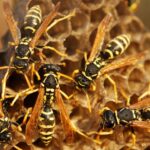
While most wasp species in New Hampshire – such as yellowjackets, paper wasps, and hornets – lose their workers and old colonies to the cold, the next generation of queens lives on.
Social wasps (the stinging types most homeowners recognize) rely on this annual die-off and rebirth pattern. Solitary wasps, like mud daubers and digger wasps, survive differently. Some overwinter as larvae in their nests or cocoons, emerging as adults in spring.
Climate also plays a role. In southern states with mild winters, more queens survive, leading to larger spring populations. In New England, freezing temperatures kill most overwintering wasps, but indoor warmth and well-insulated homes can unintentionally protect the few that remain.
So while winter may seem like a reprieve, it’s actually the quiet phase between wasp generations, not a complete end.
How to Prevent Wasps from Nesting Next Spring
Stopping wasps before they build nests is far easier than removing them later. Here are a few practical steps homeowners can take during late fall or early spring:
- Seal entry points. Inspect your home’s exterior for cracks, gaps around vents, soffits, and attic openings. Seal with caulk or weather-resistant foam.
- Store firewood and debris away from walls. Queens often hide in woodpiles or leaf litter.
- Check eaves and sheds early. Inspect for small, papery starter nests in April and May. Removing them early prevents full colonies from forming.
- Keep trash sealed. Open garbage attracts wasps in spring and summer.
- Don’t rely on removing old nests. Wasps rarely reuse them; instead, they build new ones nearby.
For maximum protection, a professional pest control inspection before spring can identify hidden overwintering sites and recommend targeted treatments to deter nesting.
When to Call a Professional Pest Removal Expert
Even one surviving wasp queen can lead to hundreds of stinging insects by midsummer. If you’ve seen wasps indoors during winter – or found nests around your property in previous years – it’s worth calling a professional early.
At MVM Pest Control, our technicians are trained in Integrated Pest Management (IPM), an environmentally responsible approach that targets the source of infestations while minimizing chemical use. We locate overwintering sites in attics, walls, and sheds, then use safe, effective treatments to ensure queens don’t re-emerge when temperatures rise.
DIY sprays rarely work on hidden queens, and attempting to remove a nest yourself can be dangerous. A professional inspection ensures your home is protected through every season.
READ: What is Meant by Pest Control Management
Conclusion
So, do wasps die in the winter? Mostly, but not entirely.
While freezing temperatures kill the majority of worker wasps, a few hardy queens endure the cold months in sheltered spaces, waiting for spring to begin their cycle anew. Those survivors are the root of every new colony and every buzzing nuisance that follows.
The best way to keep your home wasp-free year-round is through preventive action: sealing entry points, inspecting attics, and scheduling professional pest control before spring.
At MVM Pest Control, we help New Hampshire homeowners stay one step ahead of pests from winter prevention to summer protection.
Ready to protect your home before wasps return? Schedule your inspection with MVM Pest Control today.